This post contains affiliate links. I may earn a small commission at no extra cost to you. Thank you for supporting Snowflakes & City Lights Travel.
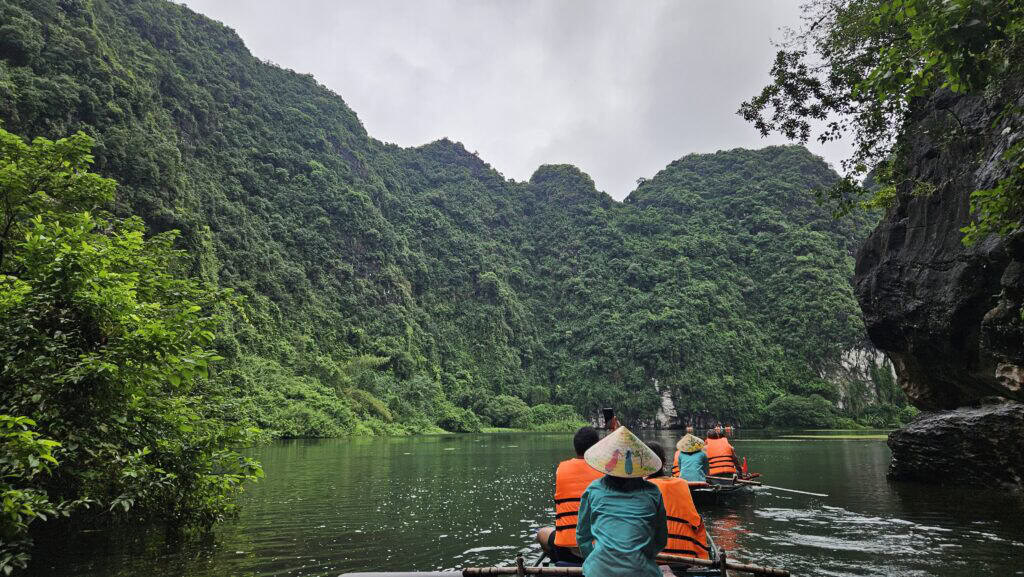
Thinking about planning a multi-city trip but not sure how it all comes together? It can be a lot! Recently I shared my framework for planning multi-city trips and how I go about this after planning around 10 such trips for my family. I wanted to show you what this looks like in reality and how I actually planned a 13 day itinerary across three countries: Hong Kong, Macau and Vietnam, using the same framework.
As we were planning, I noted down all (well, most!) of the decisions, processes and hurdles that we went through, from before we even decided when and where, right through to the nitty gritty of airport parking and eSims.
If you’ve ever felt overwhelmed trying to piece together a multi-stop itinerary, this post shows how it all came together for us, with all the messy parts included.
While there’s a lot of nuts and bolts logistics in this post, I want to be clear that most of my planning time was spent in genuine excitement mode: googling, watching vlogs, reading blogs, and pinning ideas. That’s half the fun!
Planning a trip should be all about fun and piecing together your ideal adventure, rather than a cookie cutter itinerary!
In this post:
- Trip at a Glance
- How we chose destinations
- Booking multi-city flights
- Where we stayed (and why)
- Admin & Visas
- The exact planning tools we used
Trip at a Glance

Hong Kong
5 nights
City Views
Disney Hong Kong

Macau
2 nights
Historic Centre
Glitzy casino strip

Hanoi
5 nights
Foodie paradise
Ninh Binh escape
- When: October 2025, during the Mid-Autumn Festival
- Who: Two adults + 9-year-old son
- Planning timeframe: June to October (though we did very little for most of August and September)
How We Chose Our Destinations (And Why We Added Vietnam)
Planning began in early 2025. Usually as soon as we return from a trip and start daydreaming about where to next. But we didn’t really start planning until around June. As with every trip we plan using the framework, we started with broad parameters before narrowing our options.
What we knew:
- We had limited leave to work with
- We wanted short-ish flights from Perth
- We needed somewhere with lots to see and do
- Ideally, we wanted somewhere we hadn’t explored in depth
We narrowed it to Seoul or Hong Kong. Seoul is so picturesque in October with its Autumn foliage and we know we could have eaten and wandered our way through the city. Hong Kong was probably better suited to how we travel at the moment with our son. We can do busy days and wander the area, but they need a bit of purpose for him. So we tend to wander to something, do the thing, then wander to the next thing. Best of both worlds.
We decided on Hong Kong as it was new for all of us (we had spent three days in Seoul a few years ago) and had the benefit of a Macau side trip. I love side trips.
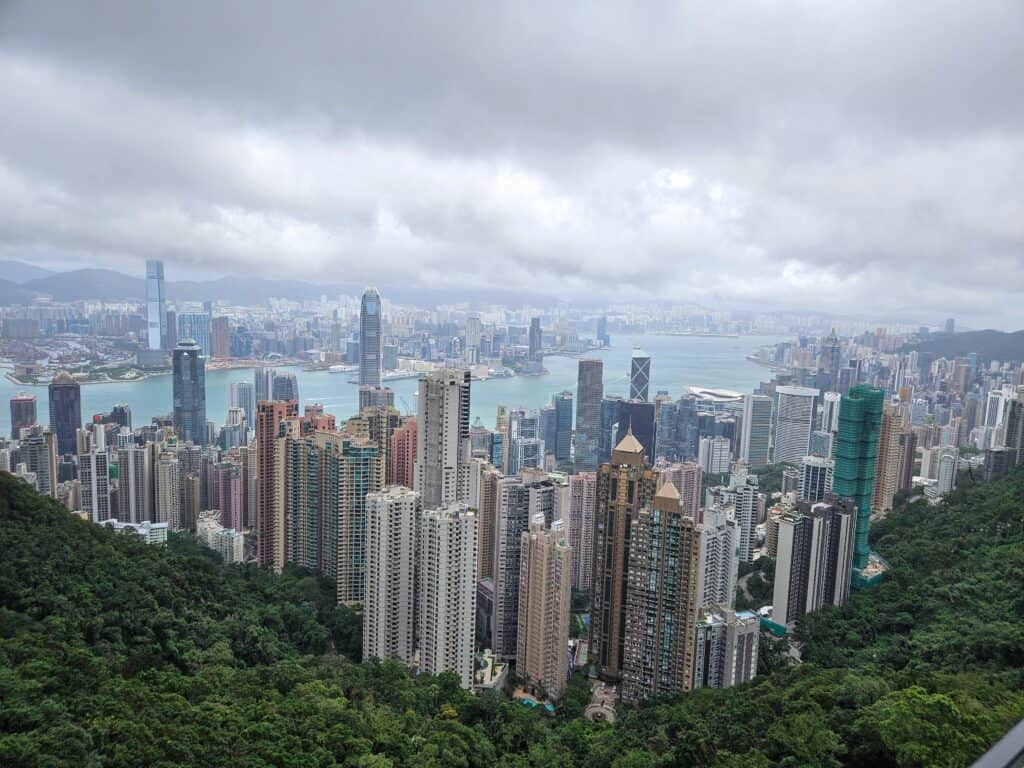
Another side trip
Speaking of side trips, once Hong Kong was locked in I started wondering… what else is nearby? We looked at some options in China, and watched some vlogs about them. “Then, in a ‘why not see what happens?’ moment, I ran a search for Hanoi, Vietnam. We had planned a trip there about a year ago but weren’t able to go. A quick Skyscanner search revealed that flying Perth → Hong Kong → Hanoi → Perth was about $500 cheaper than a simple return flight to Hong Kong. Done.
Locking in Dates and Leave
By late June, we confirmed our travel window:
- Leave after a concert on October 3
- Return around October 16–17
- Juggled school holidays, work leave, and approvals
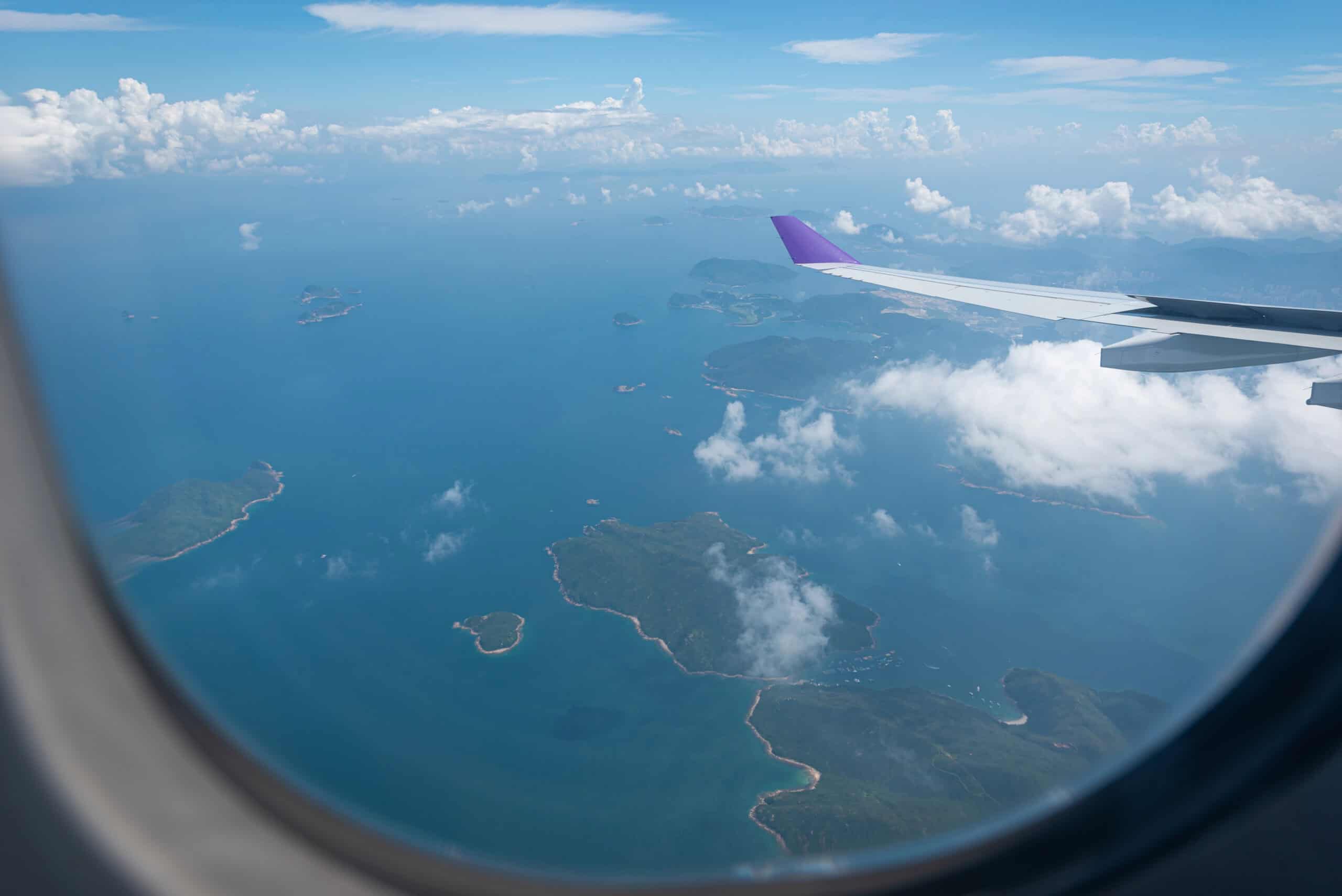
Booking Multi-City Flights
Flights often shape our itinerary and this was a perfect example of this.
We knew we would be travelling during Mid Autumn Festival, which would mean higher demand and crowds in Hong Kong and Macau for the first part of the trip. We considered flying to Hanoi first to avoid this; however, the flights were much worse in this direction with longer, more inconvenient layovers.
Our next decision was the flight to Hanoi, from Hong Kong. How would we break down the time between Hong Kong/Macau and Hanoi? We decided 5 nights for Hong Kong and Hanoi as an equal split, with two nights in Macau. There were two available flights on our travel to Hanoi, so we debated what to do with that day.
Flight timing dilemma
Option 1 was to fly early morning to Hanoi. It would mean an early start but being free to explore Hanoi by about 11am (and essentially give us an extra day there, but take a day from Hong Kong). Option 2 was to travel later in the afternoon to give us time and space to revisit anything in Hong Kong we missed or have extra time in Macau.
Excitement for Vietnam won, we were definitely more hyped about this section of the trip at this point and it meant having a full day in Hanoi rather than losing the day to travel in the middle of the day.
Increased cost and crashed servers
On booking our flights, we discovered we had waited too long and the price had now gone up for the same route which was disappointing. Still cheaper than direct to Hong Kong, but less so. While we research via Skyscanner, we always book direct with the airlines. It took us 4 tries as the website kept crashing. I got very concerned about missing out and the costs increasing again!
The Airport hotel call
This led to another decision. As we would need to be at Hong Kong airport super early, we decided we would book a night at the airport hotel to avoid a mad 4am dash. It was expensive, but looking back on our trip now, we almost certainly would have missed that flight had we stayed in the city.
Flights booked: 9 July, with Cathay Pacific
Route: Perth → Hong Kong → Hanoi → Perth
Travel Dates: 4th – 16th October
Where We Stayed (And Why) in Hong Kong, Macau & Hanoi
Accommodation is the next step in our framework. We move city by city, choosing hotels for our multi-city stops that fit our route, timing, and energy levels. We tend to book the cities first that are more likely to be impacted by demand and availability.
Before booking any accommodation we spent some time researching the different areas to work out what would be suited to us, both in terms of location and budget. The research usually involves some reading on blogs about ‘best area to stay in …’. You will usually find great descriptions of the most popular tourist area and which kind of visitor they suit.
Once we decide on an area I go all in on researching hotels and look at all the available options.
Where we stayed (and why)
Not sure where to stay? Here’s where we stayed, why we picked it and what stood out
Hong Kong
Holiday Inn Golden Mile
Great Kowloon location
Access to MRT
$1350 AUD for 4 nights
Macau
Belive &More
Close to historic sites
Easy public transport access
$345 AUD for 2 nights
Hanoi
Solaria Hanoi Hotel
Family friendly
Close to Hoan Kiem Lake & sites
$1459 AUD for 5 nights
Hong Kong accommodation
- We wanted the Kowloon side with more local vibes, markets and street food.
- Settled on Holiday Inn Golden Mile
- $1,350 AUD for 4 nights
- Great access to transport, good reviews, bonus Ichiran ramen a 1 minute walk away
- Great mix of budget and location, with hotels in this area usually much more expensive
If you’re tossing up between Kowloon and Hong Kong Island, I compare both areas in detail, including how they feel on foot, where it’s easiest to base yourself, and which neighbourhood fits different travel styles.
→ Where to Stay in Hong Kong: Kowloon vs Central
Airport Hotel (Hong Kong)
- SkyCity Marriott, booked via Cathay Pacific
- ~$400 AUD for 7 hours 😬
- But it made sense for our transfer day
Macau accommodation
- Only 2 nights and we wanted to be close to the historic area, not the casino strip.
- Hotels were booking up quickly due to the Mid-Autumn festival
- Ride-sharing isn’t available, taxis are limited
- Final pick: Belive &more
- $345 AUD for 2 nights
- Walking distance to Senado Square
- Brand new hotel, located on a public transport route
- Spent a bit more for convenience and time-saving, though Macau is actually quite reasonable for accommodation
Hanoi – family friendly accommodation
- So. Many. Options.
- I definitely had decision paralysis here. We knew that we wanted breakfast included, a balcony and separate bedrooms if we could. After a week in close quarters a little space would be welcomed, and the cheap hotel pricing in Vietnam made these reasonable criteria.
- After about 3 weeks of indecision, we chose Solari Hanoi Hotel
- $1,459 AUD for 5 nights
- Connecting rooms, excellent reviews, far enough from Beer Street noise
- Worth every cent
Multi-City Transport: What We Booked and Why
With most of our transport covered by the multi-city flight route, we only had two additional decisions to make: getting between Hong Kong and Macau, and the Ninh Binh side trip.
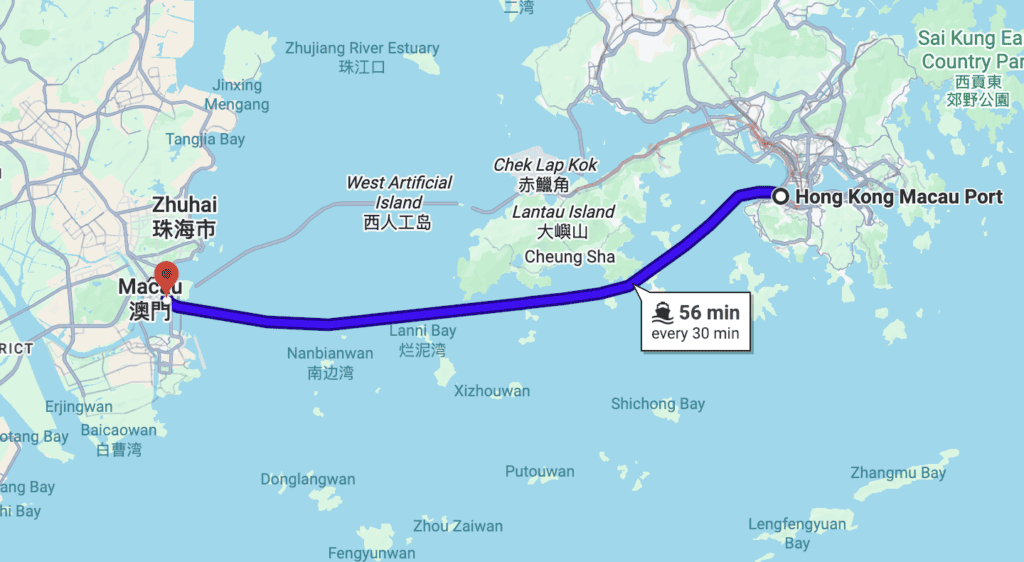
Hong Kong ⇄ Macau
- Researched our options – ferry, bus, taxi, private transfer. Flights (unless private helicopter!) were not available options.
- We briefly considered the bus, but couldn’t confirm departure points or travel times easily, so we didn’t want to risk it.
- Taxis are difficult to organise as drivers need licensing in both countries.
- Private transfers were up at around $600 AUD!
- Ferry was cheap, runs regularly all day and into the evening
- Chose TurboJet ferry. Fast (60 minutes), ferry terminals were both in easy locations, cheap ($35 AUD each)
- Didn’t prebook as it rarely sells out except major holidays
We also researched some options for a Ninh Binh day trip from Hanoi, and determined that an organised tour was going to be the best option due to a lack of easy to find transport in the Ninh Binh area, within the constraints of a day trip.
Admin, eSIMs & That One Rejected Visa
This is the part of the planning that usually comes last, once the big decisions are completed and you are thinking more about your day to day itinerary.
- Applied: 24 August
- Cost: ~$40 AUD each
- Surprise: No email notifications! You must check manually
- My husband’s was rejected first time with no explanation. He reapplied and was approved days later.
- You aren’t able to use your passport photos, so need to take / source additional passport style photos. It’s quite strict.
- Booked same day as visas
- Allianz, comprehensive family cover
- Have used Allianz before and are trusted, so minimal research required to compare quotes
- $199.64 AUD, done in 30 mins
- Airalo are our go-to eSim for trips, having used them many times before. No research was required other than deciding on data / region.
- Ordered: 1 October
- 5GB Asia regional plan for ~$31 AUD each (this seemed a better option than our usual single country eSims for this trip)
- Seamless across all three countries
- We also set up ‘auto top up’ so that we would be warned when data was getting low and it would top up with another 5GB. Really handy to not be left in the lurch when you are unsure about how much data you need.
- Set up in early September
- Needed because our CommBank travel cards didn’t support HKD, MOP, or VND
- Setup involved ID checks and waiting for physical cards (though digital cards were immediate)
- Used digital wallet + took cash as backup
- Loaded up our spending money (50/50 between us)
What We Locked In (And What We Left Flexible)
During the research phase (which for us is constantly ongoing with vlogs and blog reading in the excitement!), make sure you find out which of the attractions on your wish list need advance bookings or are likely to book out.
Booked in Advance
- We linked this with the Disney HK app to make it easier on the day. The process was a little confusing.
- It worked fine, but caused unnecessary stress about where our tickets were (entry were via email and premier access were via the app)
Booked on Arrival
- TeamLab Macau
- Water Puppet Theatre (Hanoi), we missed same-day tix, booked for next day
- Ninh Binh day trip was booked through our hotel after checking the weather. We did have to go a day later than we wanted due to availability.
Missed out!
We missed out on the House of Dancing Water show in Macau that I really wanted to see, due to a bit of complacency over pre-booking these tickets.
That balance of research-first, book-later worked really well. If something’s high on your wish list, is popular or doesn’t run every day, pre-book even if you are unsure. We learnt that the hard way.
Travel Planning Tools That Actually Helped for our Multi-City Itinerary
We keep things really simple when it comes to tools we use to stay organised on our trip and keep our planning together.
Google Maps
Pins for attractions, cafes and everything in between.
Google Doc
Keeping all of our wishlist, plans and costs in one place
One email folder
All of our confirmations and bookings together
YouTube & Blogs
For all the fun research!
Booking.com
Our go-to for hotel bookings
Here’s how we used each tool and why they worked for us:
- Google Maps: Used for planning and navigating day-to-day stops
- Easy to quickly get directions or public transport / timing information on the go as we moved between place
- Planned walking routes between locations and could see at a quick glance what was nearby
- Easy to get quick directions to our hotel from wherever we end up during the day
- Google Doc: Itinerary, costs, to-dos, confirmations. We share this and both regularly update it with research, bookings etc though I tend to do more of the admin tracking here.
- One email folder: regardless of who made a booking, all emails related to the trip were forwarded to one email folder in my account.
- YouTube + Blogs: Especially helpful for transport tips and local context
- Booking.com: Our go-to for accommodation. Their Genius loyalty program comes with discounts and bonuses for many hotels, and I like the user experience of the site.
One change I would make, or would love Google Maps to make, is that our Maps pins were separate. We both pinned what we found in our research but it wasn’t a shared map of pins. Having a unified list would have been better.
Budgeting your Multi-City Trip
We should probably put this section first. Your travel budget often guides the rest of the planning. After a quick round of research on flights and accommodation, we estimated:
- Flights + hotels: ~$5,500 AUD
- Estimated total trip cost: ~$10,000–10,500 AUD
- We tracked costs as we went in our Google Doc
We did go slightly over in the end, probably more to the tune of $12,000 due to some of our convenience splurges and food (and coffee!) in Hong Kong costing more than expected.
Packing Notes
We didn’t really pre-plan much beyond checking the weather. We knew that it would be hot and humid and probably quite wet due to typhoons in the area, so an extra pair of shoes was put on the list. We also packed some medical supplies in case of Bali Belly in Hanoi.
We hoped to travel light with just one small carry-on suitcase each, but they were slightly overweight, so we checked them in. We also brought a backpack each for souvenirs.
Next time: I’d definitely pack more light, breathable clothes. The humidity was to be taken seriously.
What we would do differently
- Apply for visas much earlier
- Research public transport better. We usually figure this out on the go, but Macau did catch us off guard a little.
- Book any theatre shows earlier
What worked really well
- Booking flights early
- Spacing out accommodation decisions to avoid fatigue
- The airport hotel. It was expensive, but 100% worth it
- Leaving room for spontaneity
- Using tools we actually like and keep it simple (no fancy planning apps, just Docs and Maps)
If you’re looking at your potential multi-city itinerary and thinking, “Where do I even start?” or “This feels too complex,” I completely understand. Especially when you’re trying to get your head around completely new countries (I remember being in head fog for months planning our first Japan trip!)
Planning across multiple destinations can feel messy and time-consuming, but when you break it into small, manageable steps based on your interests and travel style, it is absolutely doable and worth it. You just need your main logistics sorted, a loose itinerary and room for flexibility.
Read: How to Plan a Multi-City Trip (Without Feeling Overwhelmed)